

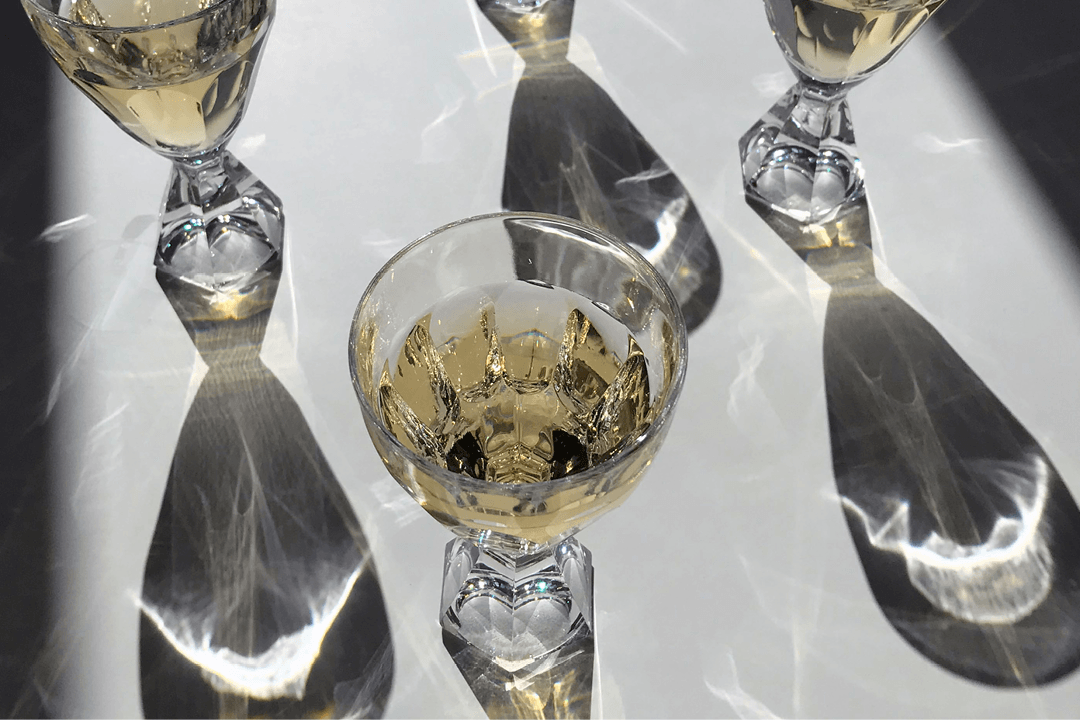

Indulgence that goes well with Easter
This sacred wine is sweet and goes well at the end of an Easter menu – but also deserves a solo in the afternoon
Formerly pressed at Easter
The home of Vin Santo is in Tuscany. In the past, the wine was often bottled there at Easter and also used as Mass wine on high feast days. Vin Santo is now also produced in Veneto, Umbria and Trentino.
A lot of work goes into making a good Vin Santo. Mainly white wine grapes, Trebbiano Toscano and Malvasia lunga, are used for the production of Vin Santo. In a variant of Vin Santo (Occhio di Pernice), red Sangiovese grapes are added.
The grapes are first dried after the harvest. In earlier times, this often took place in the attic of the wineries; today, drying takes place in well-ventilated rooms whose humidity is constantly monitored.
Drying concentrates the aromas of the grapes before fermentation begins with the help of yeasts. Traditionally, fermentation begins on All Saints’ Day.
The taste of a good Vin Santo is reminiscent of apricots, almonds or spices.
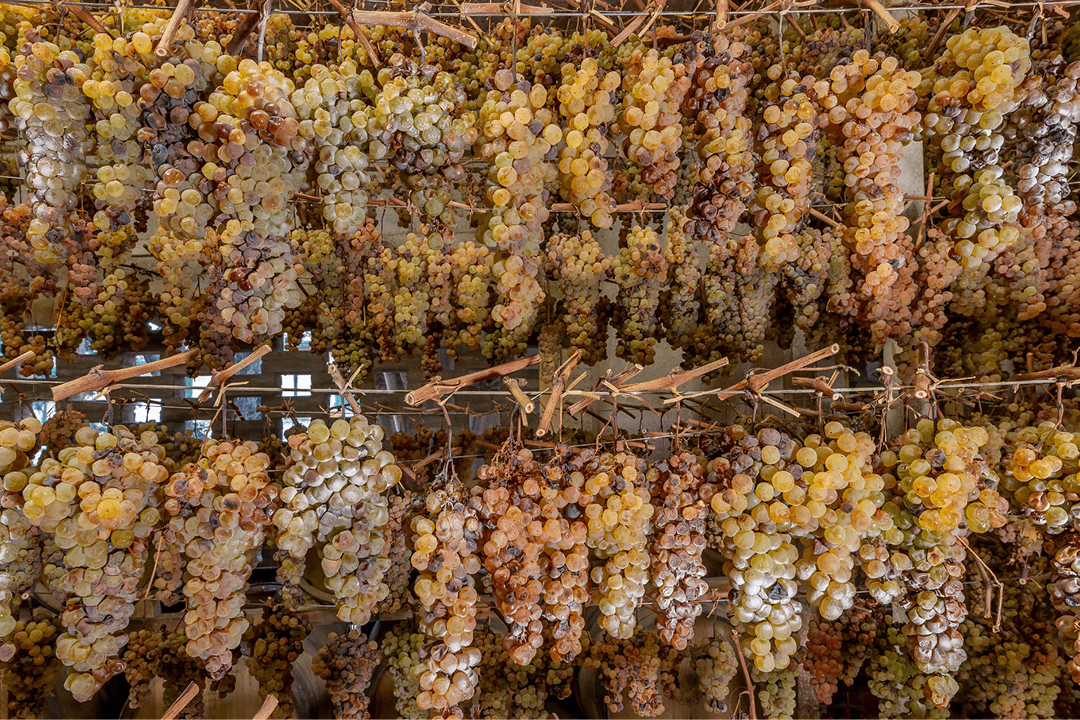 Production of Vin Santo in Tuscany © Alamy Stock Photo
The good vin santo is not only sweet
The discerning winemaker ages the Vin Santo for at least three years, often even longer and usually in wooden barrels. If the Vin Santo is aged for more than three years, it may bear the addition Reserva on the label.
As with all good sweet wines, a good Vin Santo not only has sweetness but also complexity. It is not broad, but still has a hint of freshness and a touch of acidity.
The care taken by the cellar master and the long storage period ensure a good Vin Santo.
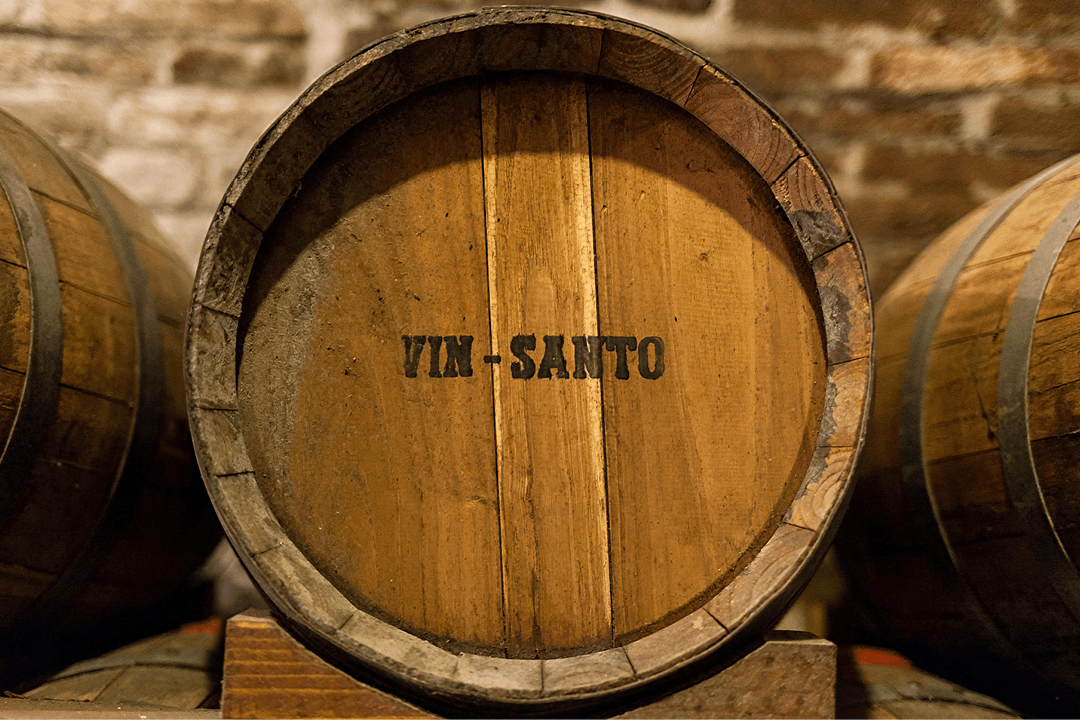 Winery in Montepulciano, Tuscany © Alamy Stock Photo
Vin Santo is not a complicated wine, but it is not a cheap wine either, because the drying process and fermentation must be strictly controlled, the grapes must be of a certain size and quality, the wine needs to be stored in good wooden barrels before it can be bottled, etc.
Very inexpensive variants mainly consist of a combination of unpretentious brandy and sweet must and do without the long storage period. Headache almost guaranteed.
What does the Vin Santo go with?
Vin Santo became famous as a dessert wine that is served with cantuccini, traditional almond cookies. This combination can often be found on the dessert menu in Tuscany, but also in many other Italian regions.
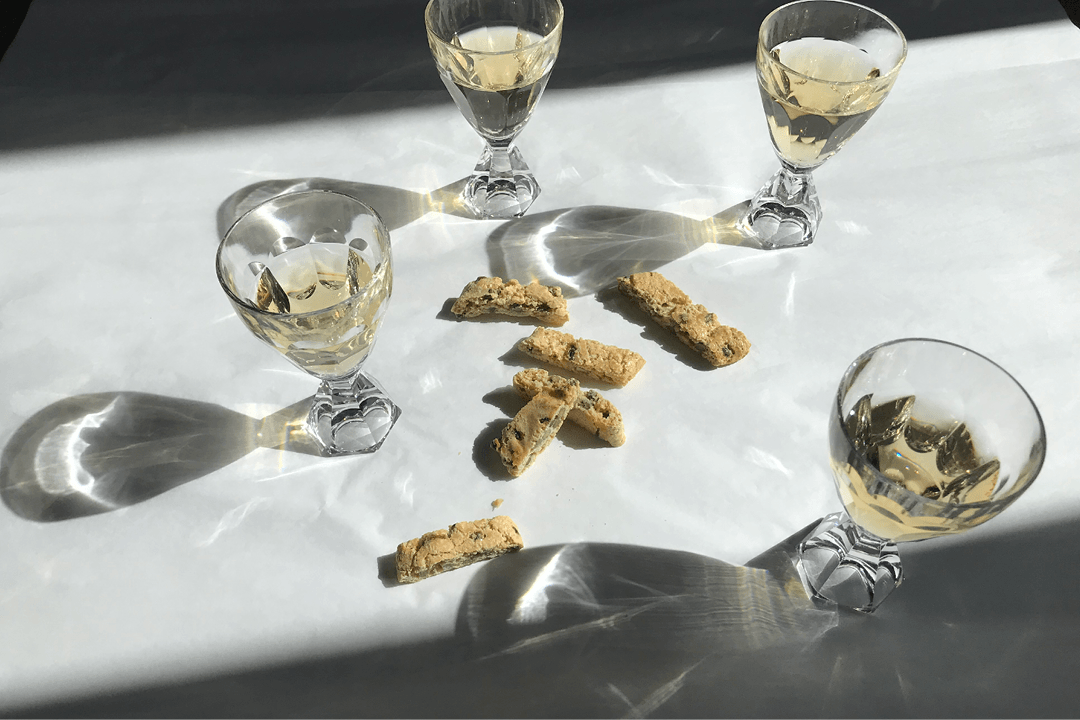
Vin Santo also goes well with many other cakes, traditional Easter pastries such as Columba Pasquale or other cakes and pastries with a high almond content.
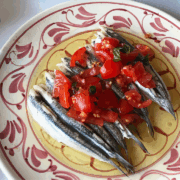

More adventurous connoisseurs also like vin santo with seafood or curry dishes. Famous chefs have always enjoyed combining fish with vanilla and curries are often accompanied by a sweet chutney. A blue cheese also goes well with Vin Santo.
Chilling is important. Vin Santo should be drunk well chilled.
That leaves the question of dunking. There are two schools of taste here. One prefers dunking the cantuccini in the Vin Santo. If you have been unlucky and have only bought dust-dry cantuccini in the shops, dunking is recommended.
Others would never dip the cantuccini in their vin santo, but only in the espresso.
Whether you prefer to dip your cantuccini in Vin Santo or espresso, we wish you a happy Easter and hope you can chill a Vin Santo at short notice.
At GloriousMe, we will be testing the Vin Santo from the Badia a Coltibuono winery at Easter, whose olive oil accompanies us through the whole year in a very tasty way. We will report on how the Vin Santo tastes, just in time for Easter 2027.
#Advertising #ProductPlacement #IndependentRecommendation #BecauseWeLoveIt
Cover photography © GloriousMe
