


TRAVEL IN THE LOW SEASON
ANYONE WHO HAS LIVED ABROAD FOR A LONG TIME—FOR EXAMPLE, IN A COUNTRY WHERE LIFE IS SHAPED LESS BY THE SEASONS THAN BY THE BEGINNING AND END OF THE MONSOON— APPRECIATES THE SEASONS ALL THE MORE UPON RETURNING TO EUROPE: THE FIRST SPRING SUN, RIPE PEACHES IN SUMMER, AUTUMN FOG, AND A BURNING FIREPLACE IN WINTER, WHILE SNOW FALLS QUIETLY OUTSIDE. WHEN TRAVELING, HOWEVER, IT OFTEN MAKES SENSE TO AVOID VISITING A DESTINATION DURING THE PEAK SEASON WHEN EVERYONE ELSE IS THERE.
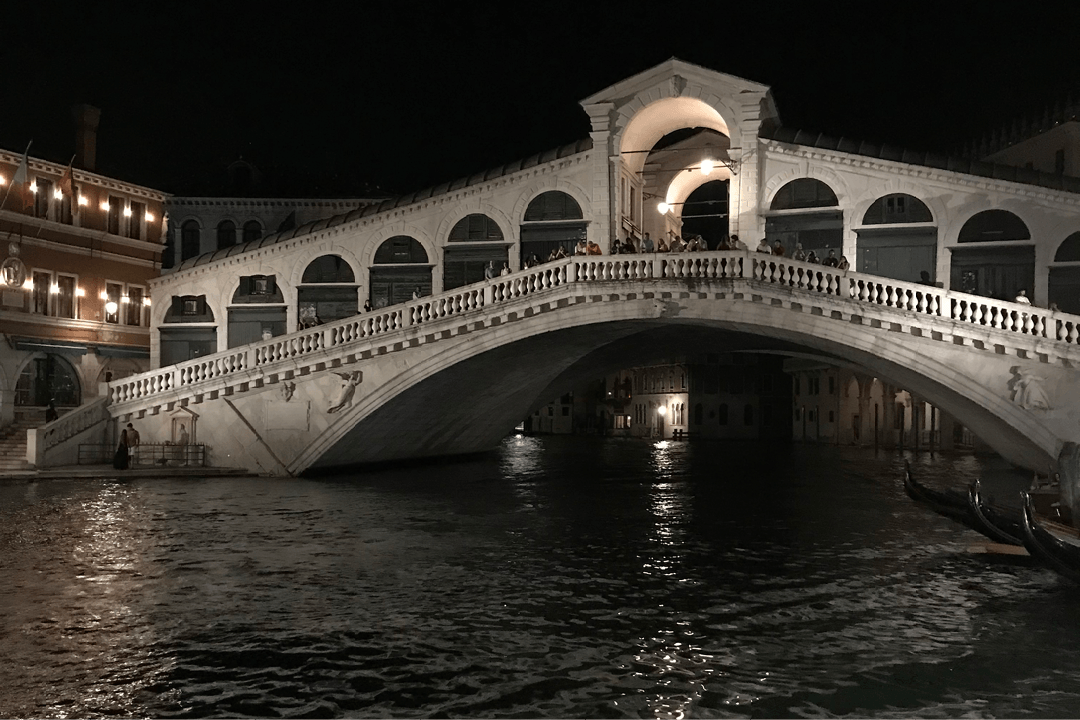
The magic of Venice is indestructible. However, endless streams of tourists, cheap souvenir kitsch, mostly produced in China and hawked everywhere, six-story cruise ships that are allowed to anchor very close to the city to bring masses of cruisers as close as possible to St. Mark’s Square and make the paths there almost impassable, sometimes make you doubt it.
Although it is still possible to find quiet corners, good food and idleness away from the crowds on the tourist trails in Venice during the high season, the ideal time to visit is November.
In November, the city is by no means empty, but the smaller number of tourists is far easier to bear in the cool weather. The palazzi look even more romantic in the fog from the vaporetto and you have the chance to enjoy the city in calmer waters.
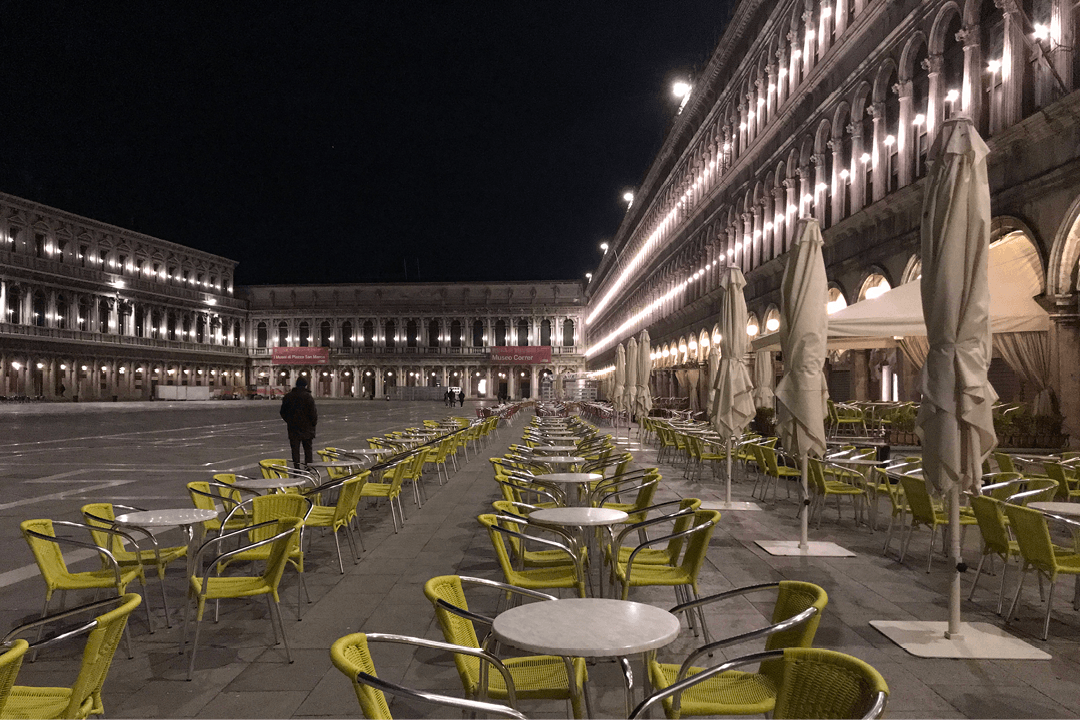


The staff at the hotels and trattorias are more relaxed, the attire is more elegant, and in the final weeks of the Biennale, the art world’s caravan has long since moved on, and one or two art installations could indeed use some repair. But the Giardini and the Arsenale—and parts of the art on display there—are still fantastic, and the sweet gelato at the Zattere tastes even better in the mild November sun.
 Lemon Tart at Cipriani © GloriousMe
