



Expert Ranking on Cities with a High Quality of Life
There are usually a variety of reasons why people choose to live in a particular place. A look at the expert ranking of the most attractive cities might give you pause for thought
Tokyo 2026 in 1st place
For anyone who has lived in Tokyo or visited as a traveler, it will come as no surprise that Monocle’s city rankings once again place the Japanese megacity near the top, just as in previous years. In 2026, Tokyo even took first place and was declared the most livable city.
The key criteria used by Monocle magazine in its assessment are: stability, serenity, security, and the opportunity to lead an inspiring life.
In the vast metropolis of Tokyo, it is common for even young schoolchildren to walk to school on their own. Every train station, every square, every street, and every school in the city is spotlessly clean. Young and old alike find their place in the city. Tradition and modernity coexist here.
 Tsukiji Fish Market in Tokyo, the heart of Japanese street food and seafood culture © GM
Based on our assessment, Tokyo’s position among the top-ranked cities in terms of quality of life will remain unchallenged. This is because Tokyo benefits from the fact that treating others and the shared environment with respect is taught in the city as early as kindergarten and school.
And who’s next?
The rest of the ranking is as follows:
1 Tokyo
2 Copenhagen
3 Lisbon
4 Vienna
5 Sydney
6 Zurich
7 Madrid
8 Paris
9 Munich
10 Oslo
11 Stockholm
12 Milan
13 Barcelona
14 Singapore
15 Amsterdam
16 Helsinki
17 Seoul
18 Melbourne
19 Vancouver
20 Perth and Kyoto
With the exception of Oslo, GloriousMe has already visited all of these cities—some of them several times over the years—and has lived and worked in some of them.
That’s why we find the experts’ verdict very easy to understand. These are cities you can reach not only by plane but also by train—cities where you can stroll on foot in the evening from a bar to a restaurant and on to another bar.

All of these cities have restaurants that have been awarded stars by the Michelin Guide, but there are also plenty of cafés, pubs, trattorias, izakayas, tapas bars, and restaurants where you can get excellent food for a reasonable price. Often, these places demonstrate a deep understanding of hospitality.
These are cities where it’s culturally unusual to tip, and where people actually appreciate even small gestures, rather than stubbornly insisting—in a cold, curt tone—on the American standard of at least 25 percent (!), no matter how good, bad, or extensive the service was.
Of course, these cities—with their high purchasing power—are home to stores carrying all the luxury brands. Their attractive storefronts are often part of what makes strolling through the city so appealing. But anyone familiar with Milan, Paris, Vienna, Zurich, Kyoto, Barcelona, or Tokyo will confirm that there are also many small, owner-operated specialty shops that contribute to the city’s charm.
Investment. Planning. History.
Looking at the list of the most livable cities, it becomes clear that a willingness to invest in a city’s infrastructure is important. Bridges that connect people, squares where people enjoy spending time, ferries that run day and night, and a safe public transit system are areas that require investment—and in many cases, cities must rely on international investors who believe in the city’s future and are willing to invest there.
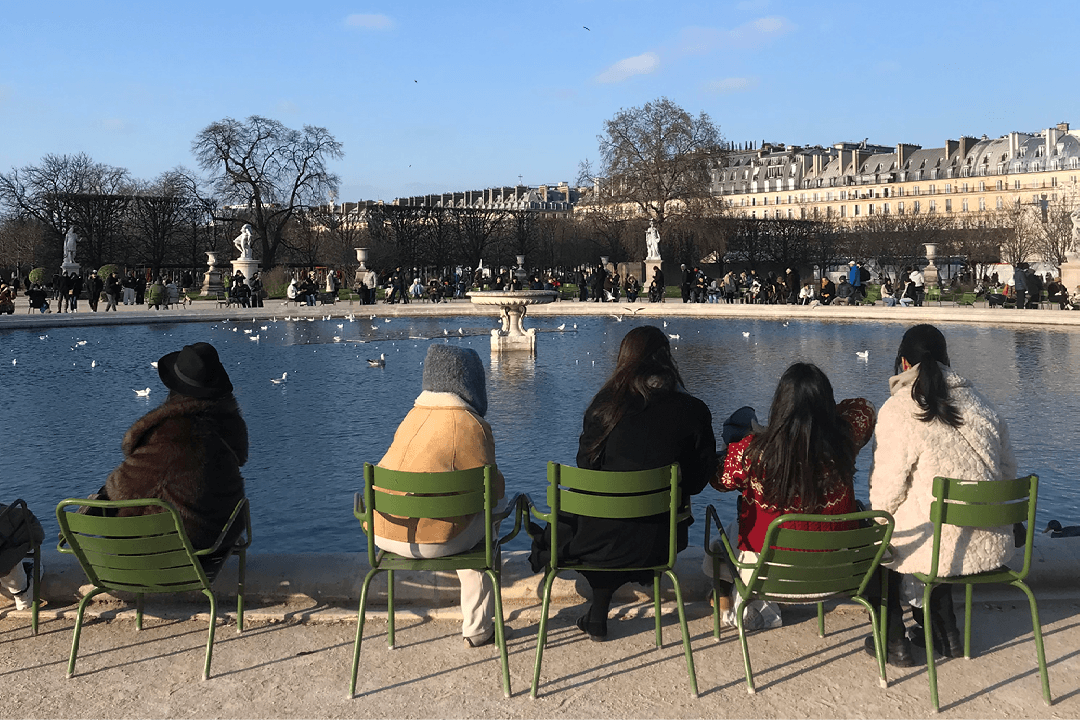 Public Space Meeting Place, Tuileries, Paris © GloriousMe
Here’s just one small example: In Amsterdam, only those who can show a ticket are allowed onto the platform at the central train station. Of course, an access system like this—with scanners and turnstiles—costs money. On the other hand, it saves the nerves of all travelers, who can wait for their train on the platform without having to constantly scan their surroundings.
It depends on your priorities.
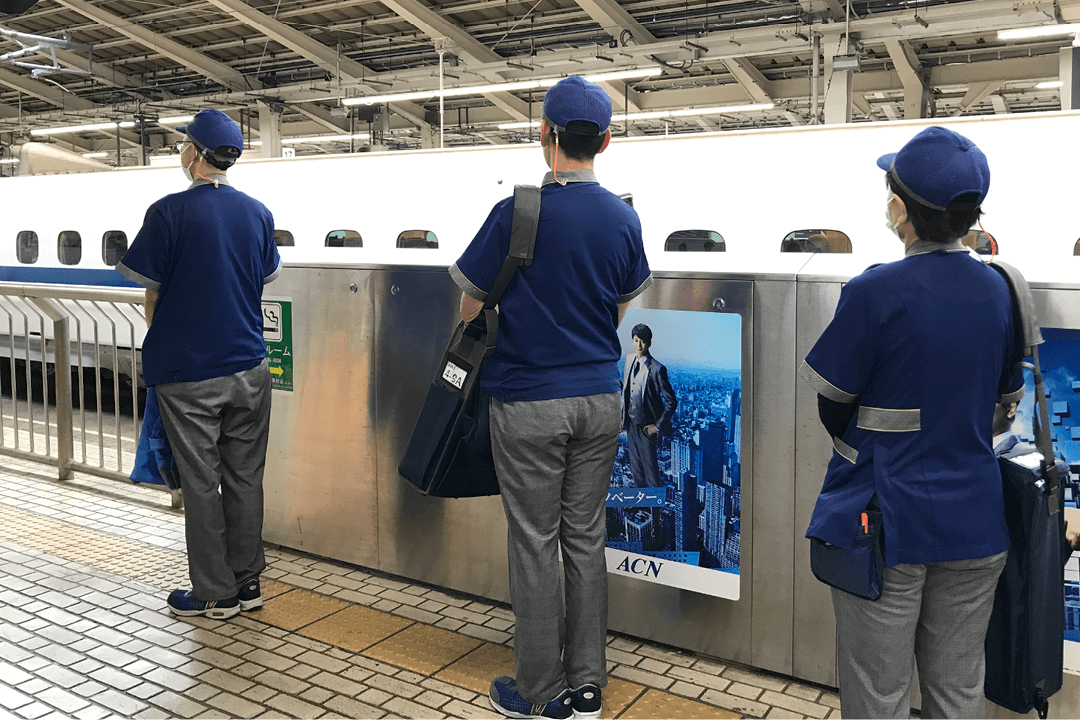 The Shinkansen in Tokyo runs on time every 10 minutes © GloriousMe
And that brings us full circle, because a livable city with a high quality of life is a major plus for anyone who is free to choose where they want to live. Attractiveness = appeal = investment.
The Time Horizon
Culture, education, history, urban planning—all of these are long-term factors that require stability and/or, as in Singapore, strict planning.
Cities, too, sometimes experience a roller-coaster ride. Berlin was ranked 14th in the 214th Monocle ranking and surged to second place two years later. During that time, it was an exciting city with ambitious cultural plans. Just ten years later, Berlin has fallen far behind and ranks near the bottom. Munich, on the other hand, was, is, and remains attractive when it comes to quality of life.


Not just one person’s opinion
The ranking by the business magazine *The Economist* uses the following criteria when assessing the quality of life in cities: stability, culture and environment, infrastructure, education, and healthcare.
If we look at the cities that will hold the top positions in 2026, we recognize many of them:
1 Copenhagen
2 Vienna
3 Melbourne
4 Sydney
5 Zurich
6 Geneva
7 Osaka
8 Adelaide
9 Vancouver
10 Tokyo
What is the situation like in Germany?
Travel broadens one’s horizons and sharpens one’s perspective on one’s own homeland, which one suddenly views with either greater criticality or more leniency. For several years now, the German Institute for Urban Design has been organizing a conference on urban planning, and while its influence is slowly expanding, it has not yet sparked a wave of enthusiasm at the local government level.

In many cities, as one participant at the recent conference put it, there is “a jumble,” by which he meant the coexistence of vastly different eras and ideologies, as well as the failure to develop a broader vision.
Our visit to Cologne yesterday couldn’t have made it any clearer: From one world-class museum to the next architectural highlight—as well as an opera house that has been undergoing renovations for over twelve years and the square in front of it, which was a construction site for ten years—you make your way through narrow alleys, passageways, and streets where the darkness of the Middle Ages seems not yet to have passed. Vacant storefronts on many corners, interspersed with a few remaining charming independent retailers trying to survive by offering high-quality goods. Parking garages that are in danger of collapsing or that give the impression of a survival training course.
Blessed is the person who travels to these highlights in a company car with a driver, who theoretically gives presentations on the cityscape in political committees and/or celebrates Carnival, and who believes, “Things have always gone well.”
#Advertising #ProductPlacement #IndependentRecommendation #BecauseWeLoveIt
Photography: Advertisement at Shimbashi Station, Tokyo © GloriousMe
